





Is Technical Debt Killing Your D365 Productivity? Copilot Can Help!
Enterprise Resource Planning (ERP) systems like Microsoft Dynamics 365 (D365) are essential for modern businesses, but their complexity often leads to technical debt, slow upgrades, and increased costs.
Traditional governance has been reactive, leaving organizations scrambling to fix customizations, monitor security, and manage performance issues. Today, the combination of AI and Microsoft Copilot is changing the game, helping companies proactively manage D365 governance, reduce technical debt, and future-proof their ERP investment.
This article explores D365 governance best practices, AI-powered monitoring, Copilot’s role in everyday workflows, and strategies to maximize ROI.
What is Technical Debt in D365?
Technical debt in Microsoft Dynamics 365 occurs when rushed development, unmanaged customizations, or outdated business processes accumulate over time, making the system harder to maintain, slower to upgrade, and costlier to manage.
Common causes of D365 technical debt include:
- Excessive Customizations: Over-reliance on developer code instead of low-code/no-code solutions like Power Platform, creating breakpoints during updates.
- Integration Sprawl & Data Silos: Unmanaged integrations and disconnected data slow down performance and introduce security risks.
- Outdated Business Processes: Configuration misalignment with current business operations leads to inefficiencies and workarounds.
Key Takeaway: Moving from reactive to AI-driven governance is essential to maintain system health, reduce Total Cost of Ownership (TCO), and ensure business agility.
How AI Transforms D365 Governance?
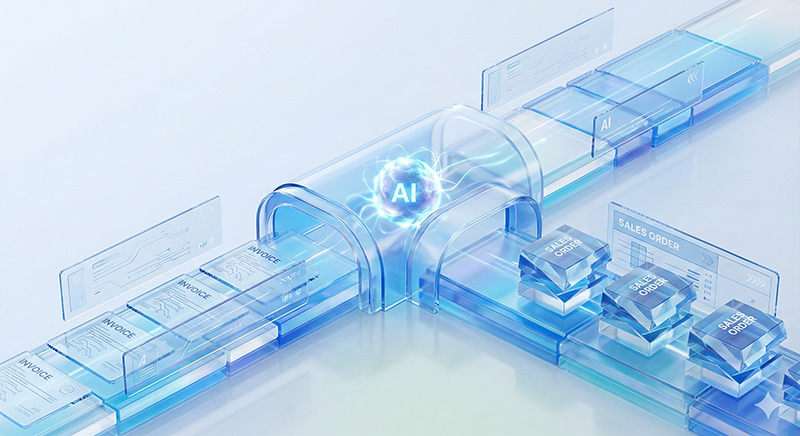
AI acts as a proactive governance engine, analyzing massive data sets to identify issues before they impact users.
Automated Code & Performance Analysis:
AI monitors D365 environments, including X++ code, Power Automate flows, telemetry, and user activity logs.
- Bottleneck Detection: Quickly identify lines of code or process steps that cause slowdowns.
- Configuration Drift Alerts: Monitor environment changes to prevent unauthorized or high-risk modifications.
Predictive Maintenance & Anomaly Detection:
- Upgrade Risk Prediction: AI calculates the risk of customizations during updates, helping teams prioritize remediation.
- Security Anomalies: Detect unusual behavior such as abnormal data exports, reducing security incidents.
Copilot: Embedding Governance Into Daily Workflows:
While AI analyzes complex data, Copilot helps developers, admins, and end-users follow governance best practices in real-time.
For Developers & Configures:
- Automated Documentation: Generates real-time release notes and technical documentation.
- Best-Practice Guidance: Ensures coding standards, approved APIs, and naming conventions are followed, preventing new technical debt.
For System Administrators:
- Policy Enforcement Made Easy: Natural language commands allow admins to audit user roles and activities quickly.
- Guided Troubleshooting: Step-by-step recommendations based on system changes streamline problem resolution.
Future-Proofing Your ERP Investment:
Combining AI and Copilot moves governance from reactive control to continuous system agility, reducing costs and enabling faster upgrades.
| Traditional Governance | Intelligent (AI/Copilot) Governance |
| Reactive: Fixes issues only after user impact. | Proactive: Predicts and prevents technical issues. |
| Manual: Relies on human expertise. | Automated: AI monitors continuously. |
| Slow: Upgrades are high-risk. | Agile: Technical debt is managed continuously. |
| Expensive: High consultant costs and downtime. | Efficient: Lower TCO and fewer crises. |
Conclusion:
The integration of AI and Copilot in Dynamics 365 governance enables:
- Automated detection and reduction of technical debt.
- Proactive, predictive maintenance and anomaly detection.
- Embedded best practices for developers and administrators.
- Reduced TCO, faster upgrades, and future-proof ERP investments.
Organizations adopting this intelligent governance model position their D365 environments as engines of growth, rather than costly maintenance burdens.